Search Results
49 results matching "marae atea"
marae ātea
-
(noun) courtyard, public forum - open area in front of the wharenui where formal welcomes to visitors takes place and issues are debated. The marae ātea is the domain of Tūmatauenga, the atua of war and people, and is thus the appropriate place to raise contentious issue.
Kei te marae ātea te pōwhiri, he mahinga anō o te auahatanga o te ao i te wehenga o Papatūānuku rāua ko Ranginui (Te Ara 2011). / The pōwhiri takes place on the area in front of the meeting house and is a re-enactment of the creation of the world through the separation of Papatūānuku (Earth) and Ranginui (sky). See also marae.
marae
-
1.
(stative) be generous, hospitable.
He wā he kiri kawa tōna wairua; he wā anō he tangata marae, he tangata nohopuku (TTR 1990:237). / Sometimes he was very short-tempered, and at other times he was generous or reclusive.
2. (noun) courtyard - the open area in front of the wharenui, where formal greetings and discussions take place. Often also used to include the complex of buildings around the marae.
Ka roa tēnei au e ātiutiu ana i runga i ō koutou marae (TP 1/11/1899:2). / I have been travelling about on your various marae for a long time. See also marae ātea.
pōhiri
-
1.
(verb) (-ngia,-tia) to welcome, invite, beckon, wave.
Te ūnga atu o te manuhiri ki Waahi ka pōhiritia e Waikato, e Kīngi Mahuta (TP 1/5/1900:10). / When the visitors landed at Waahi they were welcomed by Waikato and King Mahuta. See also pōwhiri.
2. (noun) invitation, ritual of encounter, welcome ceremony on a marae.
Tēnā rā e ngā iwi kia tītaha mai ō koutou taringa ki te whakarongo mai ki te pōhiri a tā koutou mōkai, a Tamaterangi, e pōhiri atu nei ki a koe, ki a koutou (TKO 1/12/1917:7). / Now, the tribes, take heed of the invitation of your servant, Tamaterangi, who is inviting you.
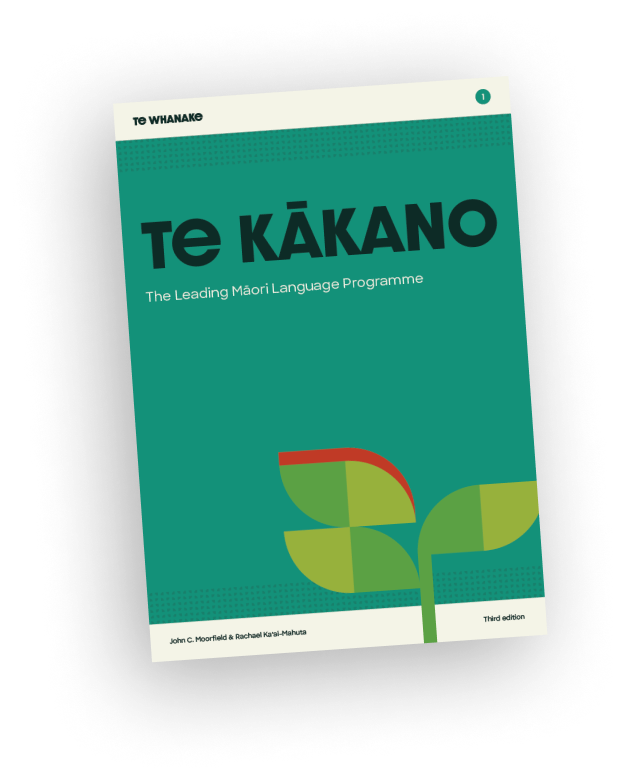
(Te Kākano Textbook (Ed. 2): 122-138;Te Kōhure Textbook (Ed. 2): 197-205;) See also pōwhiri.
hari mate
-
(noun) mourning ceremony on another marae after the tangihanga and burial.
pōwhiri
-
1.
(verb) (-tia,-a) to welcome, invite, beckon, wave.
He tini ngā marae i pōwhiritia rātou (TTR 1996:62). / They were welcomed onto many marae. See also pōhiri.
2. (noun) invitation, rituals of encounter, welcome ceremony on a marae, welcome.
Ka rewa taua ope nei, ā, tae atu ki Horowhenua; ka pā te pōwhiri a te tangata whenua (JPS 1901:74). / So the flock set off, and reached Horowhenua, where the people of the place welcomed them.
(Te Kākano Textbook (Ed. 2): 122-138;Te Kōhure Textbook (Ed. 2): 197-205;) See also pōhiri.
mihi whakatau
-
(noun) speech of greeting, official welcome speech - speech acknowledging those present at a gathering. For some tribes a pōhiri, or pōwhiri, is used for the ritual of encounter on a marae only. In other situations where formal speeches in Māori are made that are not on a marae or in the wharenui (meeting house) the term mihi whakatau is used for a speech, or speeches, of welcome in Māori.
mahana
-
1.
(stative) be warm - a marae is said to be mahana when there are old people from the local people present.
He kuira, he hōro, he paraikete ō mātau hai huihi i a mātau i ngā pō kei te moe mātau, kia mahana ai mātau (HP 1991:12). / We had quilts, shawls and blankets to cover us at night when we were sleeping, so that we were warm.
2. (noun) heat, warmth, temperature.
Kāore e tātata te kitea o te hukapapa ki reira, i te mea ai hoki, i te kaha o te mahana (HP 1991:165). / Frost wouldn't be seen there because it's so warm.
kawa
-
1.
(verb) (-ia,-ina) to perform the kawa ceremony, open a new house.
See also
tā i te kawa.
2. (noun) a ceremony to remove tapu from a new house or canoe.
Ko te tikanga o tēnei mea, o te kawa, e pure ana i te kawa tapu o Tāne kia noa (TTT 1/5/1930:2055). / The purpose of the kawa ceremony is to ritually remove the tapu of Tāne so that it becomes free of tapu.
(Te Pihinga Textbook (Ed. 2): 170-171;) See also tānga o te kawa.
3. (noun) karakia (ritual chants) and customs for the opening of new houses, canoes and other events. See also kawanga whare, tā i te kawa.
4. (noun) marae protocol - customs of the marae and wharenui, particularly those related to formal activities such as pōhiri, speeches and mihimihi.
Kāti, nō te taenga mai o Kuīni Irihāpeti Te Tuarua ki Rotorua i te 2 o Hānuere 1954, takahia ana e Heke te kawa, he ruarua nei ngā miniti e hauoraora ake ana tana kōrero ki te Kuīni mō te takoha roera, arā, mō te tokotoko hiriwa (TTR 2000:27). / Well, when Queen Elizabeth II arrived at Rotorua on 2 January 1954, Heke broke protocol by speaking animately to the Queen for several minutes about the royal gift of the silver cane.
wairua
-
(noun) spirit, soul, quintessence - spirit of a person which exists beyond death. To some, the wairua resides in the heart or mind of someone while others believe it is part of the whole person and is not located at any particular part of the body. The wairua begins its existence when the eyes form in the foetus and is immortal. While alive a person's wairua can be affected by mākutu through karakia. Tohunga can damage wairua and also protect the wairua against harm. The wairua of a miscarriage or abortion can become a type of guardian for the family or may be used by tohunga for less beneficial purposes. Some believe that all animate and inanimate things have a whakapapa and a wairua. Some believe that atua Māori, or Io-matua-kore, can instill wairua into something. Tohunga, the agents of the atua, are able to activate or instil a wairua into something, such as a new wharenui, through karakia. During life, the wairua may leave the body for brief periods during dreams. The wairua has the power to warn the individual of impending danger through visions and dreams. On death the wairua becomes tapu. It is believed to remain with or near the body and speeches are addressed to the person and the wairua of that person encouraging it on its way to Te Pō. Eventually the wairua departs to join other wairua in Te Pō, the world of the departed spirits, or to Hawaiki, the ancestral homeland. The spirit travels to Te Reinga where it descends to Te Pō. Wairua of the dead that linger on earth are called kēhua. During kawe mate, or hari mate, hura kōhatu and other important occasions the wairua is summoned to return to the marae.
Haere rā i a koe ka kōpikopiko atu ki Te Hono-i-wairua, ki te kāpunipunitanga o te wairua (TTR 1998:37). / We farewell you as you wend your way to the Gathering Place of Spirits, the meeting place of departed souls.
Te tinana, te hinengaro, me te wairua ēnei e toru, te mea nui o ēnei ko te wairua. Te tinana: he anga kau nō te wairua. Te hinengaro: he kaiwhakaatu ki te ao he pēnei nā te wairua kei roto i te tangata (TTT 1/12/1930:2215). / Of these three things, the body, the mind and the spirit, the most important is the spirit. The body is the vehicle for the spirit. The mind shows the world what the spirit of the person is like.
(Te Kōhure Textbook (Ed. 2): 221-228;)
waerea
-
(noun) protective incantation - used as an ope approaches the marae of another kinship group.
ātea
-
(stative) be clear, free from obstruction.
E ātea ana te whare, kāhore he tāngata o roto (W 1971:19) / The house is clear with nobody inside.
waetapu
-
(noun) newcomers, rare visitor - people who have not been to a particular marae or place before.
waewae tapu
-
(noun) newcomer, rare visitor - a person who has not been to a particular marae or place before.
Tohaina atu rā ēnei maioha, ēnei kupu whakamihi āku, a Te Taiti Te Tomo, ki ngā iwi o Te Tai Rāwhiti, arā, ki a Porourangi rāua ko Te Poho o Rāwiri mō ngā manaaki maha i uhia nei ki runga i ngā ope waewae tapu ki runga i ōu marae maha (TTT 1/4/1930:2035). / Distribute these affectionate greetings, these words of thanks of mine, of Te Taite Te Tomo, to the peoples of the East Coast, that is to Porourangi and Te Poho o Rāwiri, for the hospitality bestowed on the groups of newcomers onto your many marae.
whakaeke
-
1.
(verb) (-a,-ngia) to attack, assault, invade, alight.
E toru ngā rā o taua hokowhitu e whakaeke ana i taua pā, kīhai hoki i horo (TP 3/1913:6). / That army spent three days attacking that pā, but it did not fall.
2. (verb) (-a,-ngia) to climb upon, mount, board, embark, get on, go on board.
Ka tae ki Awarua, ka whakaeke atu rātou ko tōna whānau ki runga ki tētahi poti hī ika i waenganui pō (TTR 1996:71). / When they reached Bluff, she and her family would board a fishing boat at midnight.
3. (verb) (-a,-ngia) go onto (e.g. a marae).
I reira tonu tōna tinana e tangihia ana e ngā ope whakaeke (HP 1991:19). / Her body was right there being wept over by the groups who came onto the marae.
4. (noun) arrival of guests, entrance (e.g. onto a stage), entrance song, entrance item - a term used for the item of a traditional performing arts competition during which the performing group takes the stage.
umu pokapoka a Tūmatauenga
-
(noun) fiery ovens of Tūmatauenga - used to refer to the marae as being the realm of Tūmatauenga, the atua of war. A provocative and aggressive approach can be taken by speakers on the marae.
pae tapu
-
(noun) male orators welcoming visitors on to the marae, place where the orators of the tangata whenua sit.
Ka tīmata ake te ringaringa ki te pae tapu o te tangata whenua. Ko te pae tapu te wāhi noho a ngā kaikōrero, me ngā kaiwaiata a te tangata whenua (TWK 46). / The handshakes began with the male orators of the local people. The 'pae tapu' is the place where the orators and the singers of the local people sit.
wharenui
-
(noun) meeting house, large house - main building of a marae where guests are accommodated, Traditionally the wharenui belonged to a hapū or whānau but modern meeting houses have been built for non-tribal groups, including schools and tertiary institutions. Many are decorated with carvings, rafter paintings and tukutuku panels.
(Te Kōhure Textbook (Ed. 2): 265-266;) See also wharepuni, whare rūnanga, whare whakairo, tipuna whare.
Tārarau-ātea
-
(location) Tararau-ātea - a place below the horizon where Matariki (Pleiades) disappears to at the end of the Māori year. Matariki was said to visit four places, each for seven nights. The second place visited was Tararau-ātea.
E whā ngā kāinga e haeretia ana e Matariki: (1) Maukahau, e whitu ngā pō; (2) Tārarau-ātea, e whitu ngā pō; (3) Papa-whakatangitangi, e whitu ngā pō; (4) Tītore-māhu-tū, e whitu ngā pō (TTT 1/5/1922:14). / There are four homes that the Pleiades travels to: (1) Maukahau, for seven nights; (2) Tārarau-ātea, for seven nights; (3) Papa-whakatangitangi, for seven nights; and (4) Tītore-māhu-tū, for seven nights. See also Matariki, Maukahau, Papa-whakatangitangi, Tītore-māhu-tū.
rongo ā-marae
-
(noun) peace negotiated by a mediator, rapprochement.
Ko 1871 te tau i whakaingoatia ko Taingākawa tētehi o ngā 'Hauhau o Ngāti Hauā', ā, ko te whakapae he rūkahu noa ana whakamātautau ki te rongo ā-marae (TTR 1996:237). / In 1871 Taingakawa was classed as one of the 'Ngāti Hauā Hauhaus', and the accusation was made that his attempts at rapprochement were insincere.
Rongo-marae-roa
-
(personal name) atua of the kūmara and cultivated food and one of the offspring of Rangi-nui and Papa-tū-ā-nuku, he is also known as Rongo-hīrea and Rongo-marae-roa-a-Rangi.
I te mea ka rewa a Rangi-nui ki runga, ko Tāne-te-waiora ka huaina tōna ingoa ko Tāne-nui-a-Rangi-e-tū-iho-nei; ko Tūkāriri ka huaina tōna ingoa ko Tū-mata-uenga-a-Rangi-e-tū-iho-nei; ko Rangi-hāpainga ka huaina tōna ingoa ko Paia-nui-a-Rangi-e-tū-iho-nei; ko Rongo-hīrea ka huaina tōna ingoa ko Rongo-marae-roa-a-Rangi (HWM 12). / Because Rangi-nui was elevated above, Tāne-te-waiora was renamed Tāne-nui-a-Rangi-e tū-iho-nei; Tūkāriri was renamed Tū-mata-uenga-a-Rangi-e-tū-iho-nei; Rangi-hāpainga was renamed Paia-nui-a-Rangi-e-tū-iho-nei; and Rongo-hīrea was renamed Rongo-marae-roa-a-Rangi.
(Te Māhuri Teachers' Manual (Ed. 1): 40-42;) See also Rongo-mā-Tāne.
Download the app
This Māori dictionary is now available as an app. With the iPhone, iPod Touch, iPad, and Adroid app you can use the dictionary anywhere without the need to be online.
iPhone app|iPad app|Android app
Buy the Dictionary
Te Aka Māori-English, English-Māori Dictionary and Index by John C Moorfield. This dictionary comprises a selection of modern and everyday language that will be extremely useful for learners of the Māori language.| More info
Māori Language Resources
- Te Aka Dictionary - Buy the book
- What you need to get started learning Māori
- Resources by Māori language ability
- Te Whanake Online Learning Modules
- Te Whanake Podcasts
- Te Whanke TV
- Māori Language Forum
Textbooks
- -Te Kākano
- -Te Pihinga
- -Te Māhuri
- -Te Kōhure
Study guides
- -Te Kākano
- -Te Pihinga
- -Te Māhuri
Audio CDs
- -Te Kākano
- -Te Pihinga
- -Te Māhuri
Teachers' manuals
- -Te Kākano
- -Te Pihinga
- -Te Māhuri